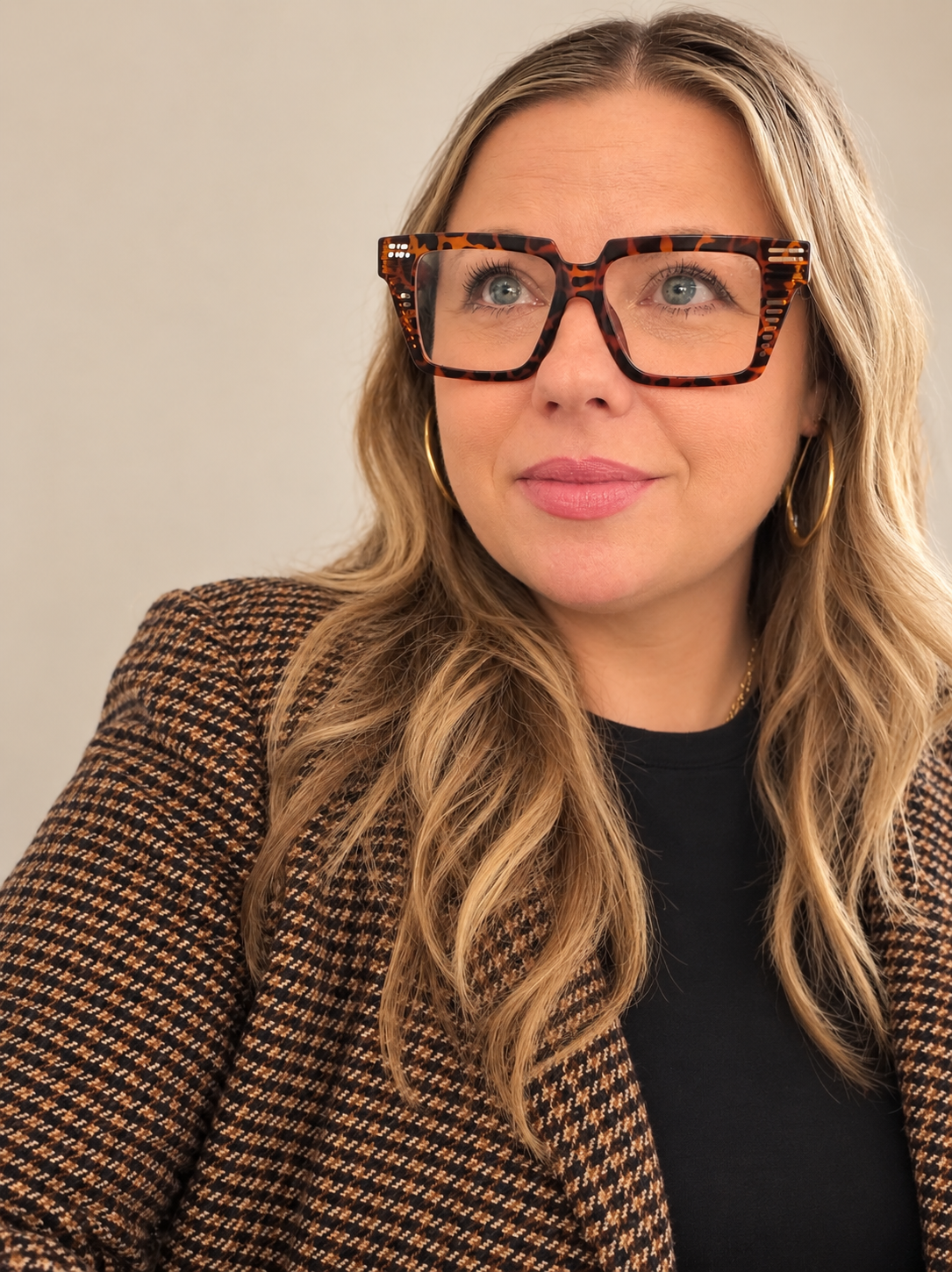
Meet the Ontario Certified Teacher, Mother, Curriculum Consultant, Special Education Specialist, Bonus Mom, Assessment Education Officer, 21 year veteran Ontario Certified Teacher, Math Specialist, Principal, Primary/Junior/Intermediate Qualified, Spouse of a Technology Teacher, New Teacher Mentor, Dog Mom, Honours Specialist English Educator, Passionate Inclusive Educator, Gifted Education Program Leader, you wish came with the textbook!
〰️
Meet the Ontario Certified Teacher, Mother, Curriculum Consultant, Special Education Specialist, Bonus Mom, Assessment Education Officer, 21 year veteran Ontario Certified Teacher, Math Specialist, Principal, Primary/Junior/Intermediate Qualified, Spouse of a Technology Teacher, New Teacher Mentor, Dog Mom, Honours Specialist English Educator, Passionate Inclusive Educator, Gifted Education Program Leader, you wish came with the textbook! 〰️
Dear Families,
Hello! It’s great to meet you! For over 20 years, students have called me Ms. P. I knew I wanted to be a teacher when I was in kindergarten because of my kindergarten teacher—Mrs. McGrail. She was kind, thoughtful, patient, and she somehow knew I was ready for some tougher concepts, even though I was pretty shy and didn’t say much. Lots has changed since then—I’m not so shy anymore and my family will tell you I am a talker! Now I work with students who'd rather spend less time staring at textbooks and more time actually understanding them.
Our one-to-one sessions dive straight into the stuff that trips you up—no generic worksheets, no slideshow fatigue and no distractions! Expect bite-size strategies, real-world examples, and yes, the occasional meme to keep things human. As students move past rote memorization and build transferrable knowledge, they are able to connect ideas, understand the ‘why’ behind the rules and build confidence in a way that finally shows up to class. Oh and yes, memorizing your multiplication facts is important!
The Branch and Bound Approach:
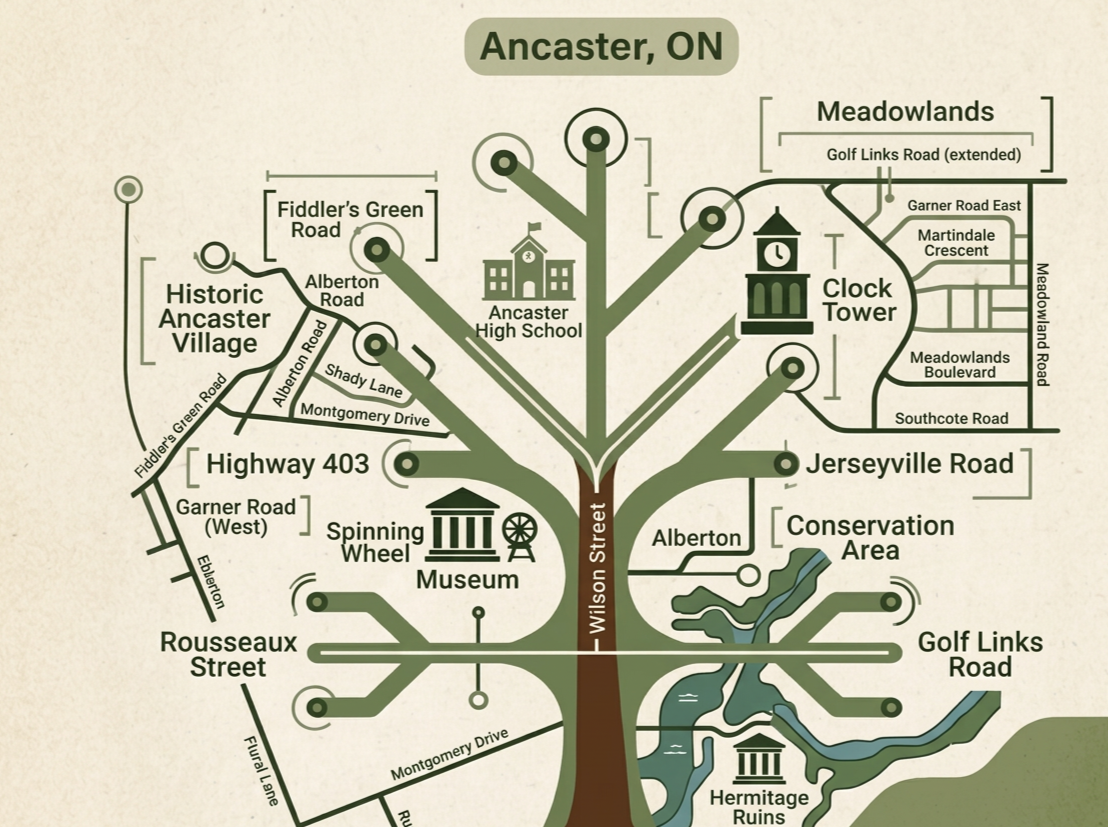
This approach is a Problem-Solving Method used in Computer Science and Math to find the best solution. I will use it to explain my methods for achieving results! Look out of your window and find a tree, notice the branches? The tree represents complex learning and it doesn’t have to be stressful!
Branching helps us to understand the decomposition of your child’s pathways, where each branch represents a small piece of a bigger concept. When we branch our learning, we can split learning goals into smaller chunks! Students build confidence consistently, as they begin to understand the pieces, or branches, they are learning!
Bounding is another way to think about getting to the root of our development.. As we move through our learning together, we can see which strategies work for your child (and ditch those worksheets)! As your child works through activities, my evaluation and ongoing assessment shows me where your child is at. Together we are able to select strategies that feel good to use because they make sense to the way that you learn. Think of bounding as recognizing the best possible outcome that is made just for you!
Pruning is where we take away, or prune, learning that you are already comfortable with. There is no need to spend time on concepts that you are already proficient in (that’s the boring part)! To create the most efficient learning plan for your child (and your wallet), we regularly prune this tree so that redundant material is skipped and we can focus on what your child needs. Time is spent effectively and learning pathways are optimized, so that your child will be Thriving!
The No-Tech Promise:
Online scrolling is proven to reduce attention spans, making it tough for students to retain ideas or extend their critical thinking pathways. I believe strongly in turning off the screens and using physical interactive and tactile methods to teach Math and Literacy. This is why I do not offer online tutoring sessions and only serve the Ancaster community for face-to-face sessions! Playing dice and card games, using blocks to unpack algebra, clapping syllables, and incorporating morphology content into daily life are effective ways to encourage talk, strengthen visualization strategies and build confidence!
Let’s branch out together,
“The best time to plant a tree was 20 years ago. The second best time is now.”
“The best time to offer support was before it is needed. The second best time is now.”
Tell Us What’s Stumping You
Drop us a seed, and let’s turn your academic branch into a full canopy~